

What is inflation?
Inflation is the process by which money loses value over time, causing the prices of goods and services to rise. In practical terms, it means the same amount of money buys less in the future than it does today.
A moderate level of inflation is considered normal in most economies. However, when inflation rises too quickly, it can significantly reduce purchasing power and savings.
Why does inflation happen?
Inflation is typically driven by an increase in the money supply relative to demand. When more money circulates in the economy, each unit of currency tends to lose value.
Common causes include:
- expansionary monetary policy (money printing)
- rising production costs
- increased demand for goods and services
Over time, this is why everyday items become more expensive compared to previous decades.
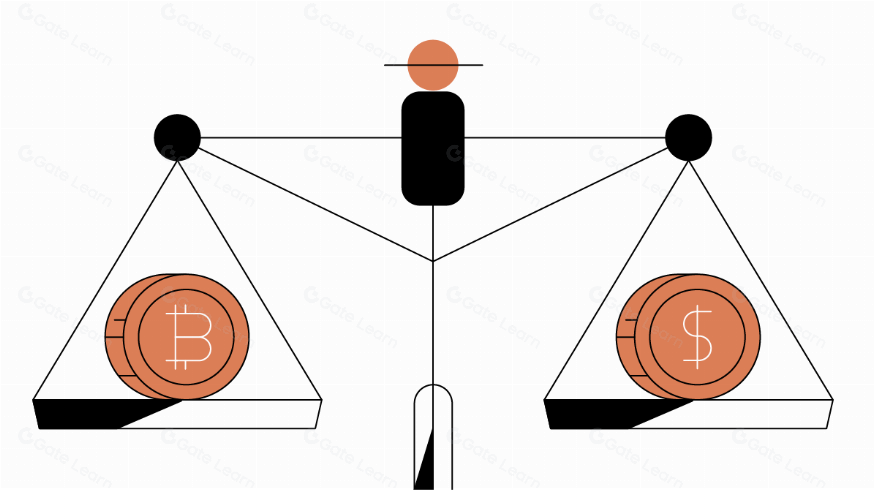
How is Bitcoin different?
Bitcoin was designed with a predictable and limited supply. Unlike fiat currencies, which can be printed by central banks, Bitcoin has a fixed maximum supply of 21 million coins.
New Bitcoin is introduced through mining, but the issuance rate decreases over time through a mechanism known as “halving,” which occurs roughly every four years.
This creates a key difference:
- fiat currency → inflation can increase unpredictably
- Bitcoin → inflation rate is transparent and decreasing
Because of this, Bitcoin is often viewed as a potential hedge against inflation.
Do cryptocurrencies experience inflation?
Yes, but it depends on the design of the cryptocurrency.
Bitcoin has a declining inflation rate due to reduced issuance over time. However, not all cryptocurrencies follow this model. Some have flexible or even unlimited supply, which can lead to higher inflation.
Stablecoins, for example, are typically pegged to fiat currencies like the US dollar. This means:
- they maintain price stability
- but still inherit the inflation risk of the underlying currency
Why inflation matters for investors
Inflation directly affects long-term wealth. If your assets do not grow faster than inflation, your real purchasing power declines.
This is why investors look for assets that can:
- preserve value
- outpace inflation over time
In crypto markets, understanding inflation helps explain why certain assets (like Bitcoin) attract long-term holders, while others are used mainly for trading or transactions.
Conclusion
Inflation is not just an economic concept — it directly impacts how wealth is stored and transferred. Traditional currencies lose value over time, while some digital assets are designed to resist that effect.
However, real returns are not only determined by asset performance, but also by trading costs, fees, and platform conditions.
If you want to compare how different platforms impact your actual trading outcomes, you can explore:
https://www.btcbj.com/brokerage-reviews/