

What is a bull market and a bear market?
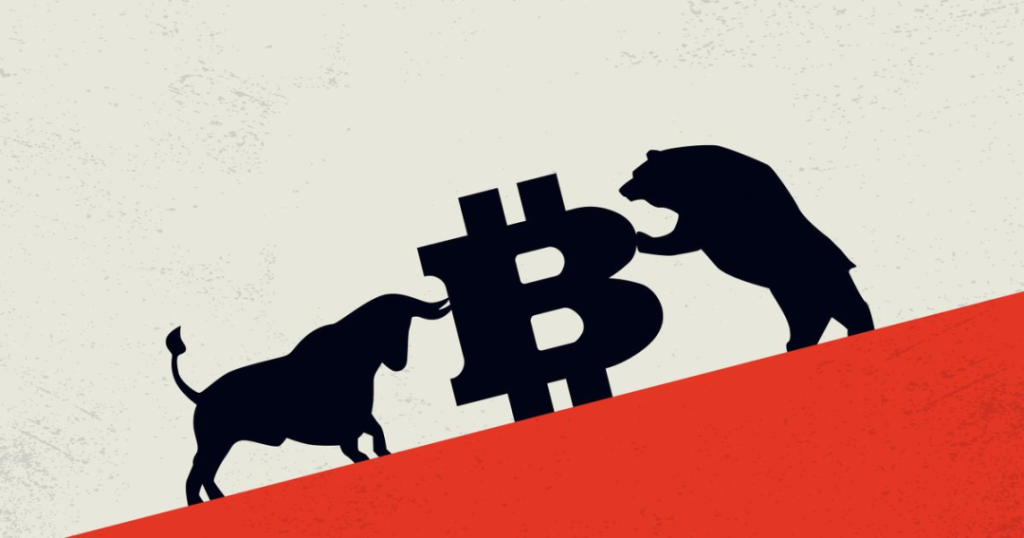
A bull market refers to a period where prices are rising over time, while a bear market describes a prolonged decline in prices. These terms are used across all financial markets, including crypto, stocks, and real estate.
They usually apply to:
- sustained trends over a longer period
- major price movements (often around 20% or more)
In simple terms: bull = uptrend, bear = downtrend.
What is a bull market?
A bull market occurs when demand is strong, investor confidence is high, and prices continue to rise. More participants enter the market expecting further gains, which creates a feedback loop that pushes prices even higher.
In crypto, bull markets are often driven by:
- increasing adoption
- strong narratives (e.g., DeFi, AI, ETFs)
- liquidity entering the market
However, even in strong bull markets, short-term pullbacks are normal and should not be confused with a trend reversal.
What signals the end of a bull market?
Bull markets do not last forever. They typically end when confidence starts to weaken.
Common triggers include:
- negative regulatory developments
- macroeconomic shifts
- liquidity tightening
- market overvaluation
When sentiment changes, selling pressure increases. This can lead to a sharp downturn and the transition into a bear market.
What is a bear market?
A bear market is characterized by falling prices, weak demand, and negative sentiment. Investors become cautious or pessimistic, and selling often outweighs buying.
Bear markets are more difficult for most traders because:
- trends are less predictable
- rebounds are short-lived
- timing the bottom is extremely hard
However, they are also part of every market cycle and often follow periods of excess growth.
Are there opportunities in bear markets?
Despite the risks, bear markets can offer strategic opportunities.
Long-term investors may accumulate assets at lower prices, while experienced traders may use strategies like short selling or hedging. Another common approach is dollar-cost averaging, where investors buy consistently regardless of market conditions to reduce timing risk.
Conclusion
Bull and bear markets are natural phases of any financial system. Understanding where the market stands is less about predicting the future and more about managing risk and expectations.
In practice, your actual performance is not only determined by market direction, but also by trading costs, spreads, and execution quality across platforms.
If you want to compare how different platforms impact your real trading outcomes, you can explore:
https://www.btcbj.com/brokerage-reviews/