

What is a blockchain fork?
A blockchain fork occurs when changes are made to the underlying rules or protocol of a blockchain. Since blockchains are open-source and maintained by decentralized communities, any update to the code can create a split in the network.
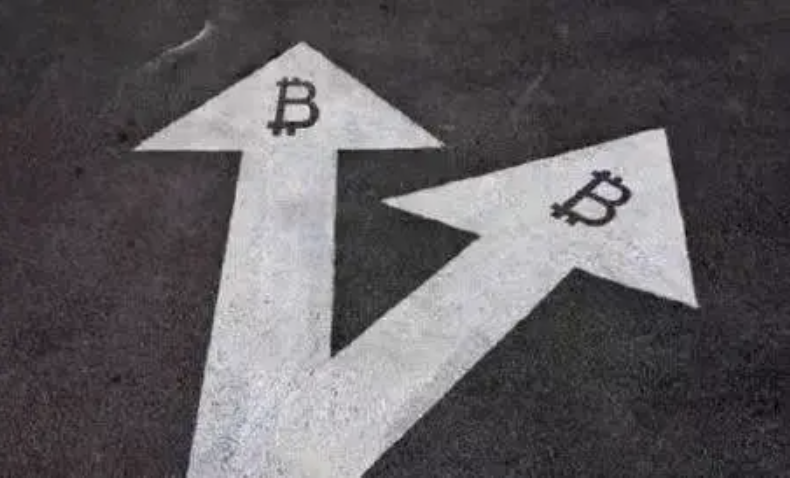
When a fork happens, the blockchain may divide into two versions:
- one following the old rules
- one following the new rules
Both share the same transaction history up to the split, but move forward independently.
Why do forks happen?
Forks are a natural part of blockchain evolution. Just like any software, blockchains need updates over time.
Common reasons include:
- adding new features or improvements
- fixing bugs or security issues
- resolving disagreements within the community
In some cases, forks are technical upgrades. In others, they reflect deeper conflicts about the future direction of a project.
What is a soft fork?
A soft fork is a backward-compatible upgrade to the blockchain.
This means:
- nodes that update follow the new rules
- nodes that don’t update can still interact with the network
Soft forks typically introduce improvements without splitting the chain permanently. They are more like a system upgrade where everyone eventually aligns on the same version.
What is a hard fork?
A hard fork happens when the changes are not compatible with the old version of the blockchain.
In this case:
- the network splits into two separate chains
- each chain follows different rules
- a new cryptocurrency is often created
Examples include Bitcoin Cash and Ethereum Classic, both of which originated from hard forks of their original networks.
Why forks matter in crypto
Forks play a key role in shaping the crypto ecosystem. They allow networks to evolve, but they can also introduce uncertainty.
For users and investors, forks can impact:
- asset value (new coins may be created)
- network stability
- long-term project direction
Understanding forks is important because they reflect both technical progress and community dynamics within crypto.
Conclusion
Blockchain forks are not errors — they are a feature of decentralized systems. They represent the ability of a network to adapt, upgrade, or even split when consensus cannot be reached.
In practice, these changes can influence market behavior, trading opportunities, and even costs depending on how networks and platforms respond.
If you want to compare how different platforms handle trading conditions, fees, and execution, you can explore:
https://www.btcbj.com/brokerage-reviews/