

What Are DApps?
DApps, or decentralized applications, are blockchain-based applications that run without a central authority. Instead of relying on a single company or server, they operate on distributed networks, where data and control are shared across multiple participants.
In simple terms, DApps shift control from platforms to users.
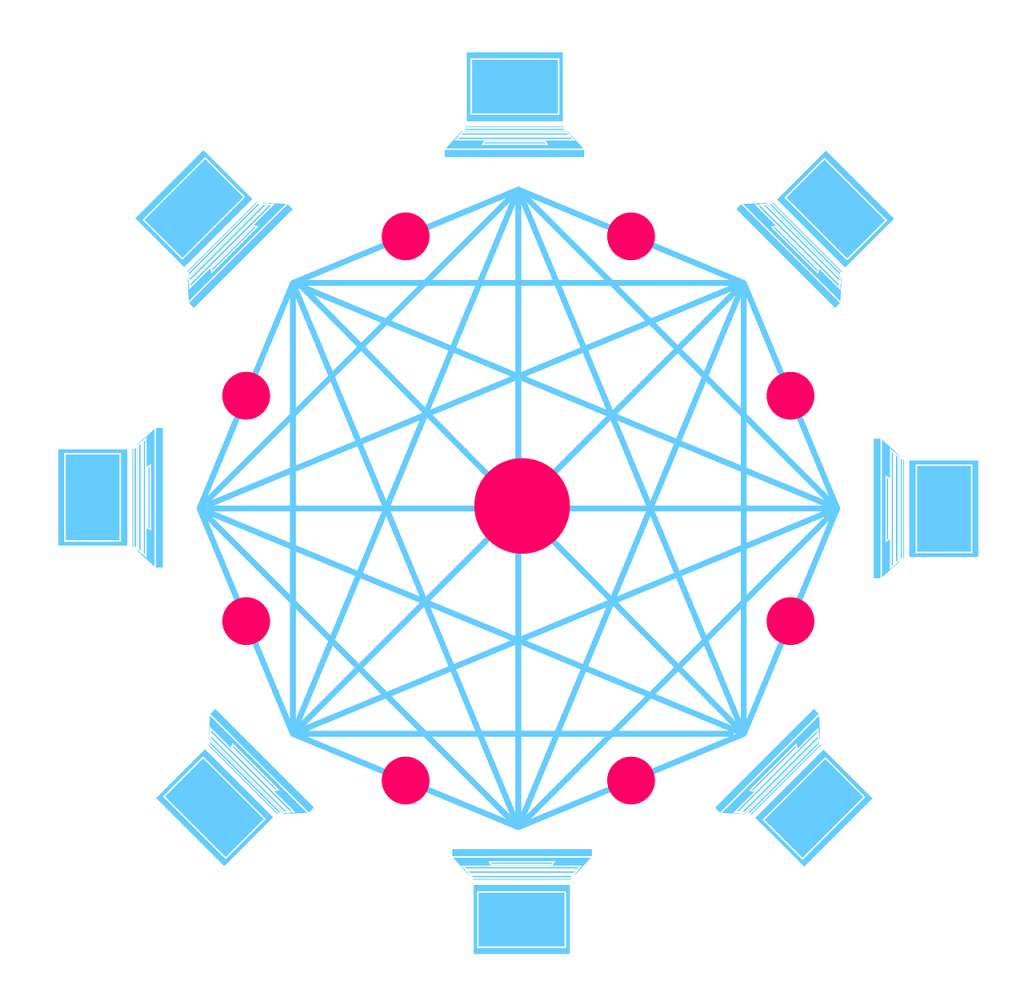
What Does Decentralization Actually Mean?
Decentralization is not just a technical concept — it’s a change in how systems are controlled. Traditional applications depend on centralized servers, while decentralized systems distribute data across many nodes.
This structure reduces the risk of manipulation and increases transparency, but it also introduces complexity that many users underestimate.
How Do DApps Work?
Most DApps rely on smart contracts, which are self-executing programs stored on the blockchain. Once deployed, these contracts automatically perform actions when specific conditions are met.
Unlike traditional backends, smart contracts cannot be easily modified, which improves trust but also means that mistakes can be costly and difficult to fix.
Advantages and Limitations of DApps
DApps are often praised for transparency and user control. They remove intermediaries and allow direct interaction between users, which is why they are widely used in areas like DeFi and NFTs.
However, in practice, DApps still face real challenges. High transaction fees, slow network speeds, and smart contract risks can limit their usability, especially for beginners.
Final Thoughts
DApps represent an important shift toward decentralized systems, often referred to as Web3. While the idea is powerful, the technology is still evolving, and real-world adoption depends on solving usability and scalability issues.
When interacting with DApps, actual costs are often affected by network fees and platform differences. If you want to compare platforms and reduce costs, you can refer to:
https://www.btcbj.com/brokerage-reviews/