

Cryptocurrency can seem complex at first, especially for beginners. From understanding what it is to learning how to store and use it safely, there are several key concepts every user should know.
This guide brings everything together into one clear starting point.
What Is Cryptocurrency?
Cryptocurrency is a type of digital asset that exists on decentralized networks.
Most cryptocurrencies are built on blockchain technology, which allows users to send and receive value without relying on banks or central authorities. Transactions are verified by a distributed network rather than a single institution.
Bitcoin is the most widely known cryptocurrency, but thousands of other digital assets exist, each with different use cases.
Cryptocurrencies can be used for:
- Storing value
- Making payments
- Trading and investing
- Powering decentralized applications
One of their key advantages is the ability to transfer value globally with relatively low friction.
How to Buy and Store Cryptocurrency Safely
To get started, most users purchase cryptocurrency through an exchange.
These platforms allow you to convert traditional money into digital assets. Depending on your region, you may need to complete identity verification (KYC) before making a purchase.
Once you buy crypto, it is stored in a wallet.
A crypto wallet does not actually hold your coins. Instead, it stores your private keys—the credentials that give you access to your funds on the blockchain.
There are two important components:
- Public key (address): used to receive funds
- Private key: used to access and control funds
Keeping your private key secure is essential. If it is lost or exposed, your funds may be permanently lost.
Types of wallets
- Software wallets (mobile or desktop)
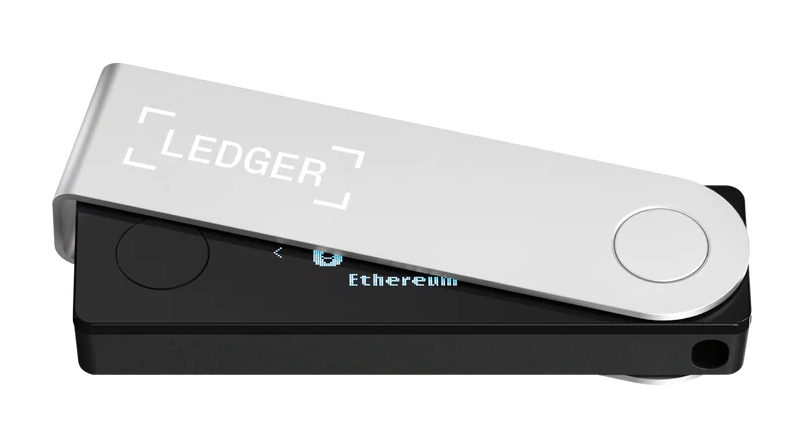
- Hardware wallets (offline devices)
- Exchange wallets (custodial)
For beginners, exchange wallets are convenient, but they require trust in the platform. For higher security, many users eventually move funds to self-custody wallets.
How to Use and Trade Cryptocurrency
Once you hold cryptocurrency, you can either use it or trade it.
Sending crypto is straightforward. You enter the recipient’s address and the amount you want to send. However, transactions are irreversible, so accuracy is critical.
Cryptocurrency can be used for:
- Payments to merchants
- Transfers between users
- Trading on exchanges
Transaction processing depends on network conditions. In systems like Bitcoin, transactions are confirmed through a process called mining.
Users typically pay a transaction fee to have their transaction included in a block. Higher fees generally result in faster confirmation.
Understanding Fees and Network Mechanics
Transaction fees are not fixed.
They depend on factors such as network demand and transaction size. When the network is busy, fees tend to rise as users compete for block space.
This is why:
- Transactions may take longer during peak periods
- Fees can vary significantly over time
Understanding how fees work can help users manage costs more effectively.
What Are the Main Risks?
While cryptocurrency offers flexibility, it also comes with responsibility.
Some of the main risks include:
- Losing access to private keys
- Sending funds to the wrong address
- Using unreliable platforms
- Exposure to market volatility
Unlike traditional finance, there is usually no central authority to reverse mistakes.
This makes security practices extremely important.
Where Is the Crypto Industry Headed?
The cryptocurrency space continues to evolve rapidly.
New technologies are being developed to improve:
- Scalability
- Transaction speed
- Energy efficiency
Solutions such as layer-2 networks aim to reduce fees and increase transaction capacity. At the same time, regulatory frameworks are expanding as governments adapt to the growth of digital assets.
Despite challenges, adoption continues to grow globally.
Final Thoughts
Cryptocurrency is still a relatively new technology, but it has already changed how people think about money and financial systems.
Understanding the basics—how to buy, store, and use it safely—is the first step toward participating in this ecosystem.
As the market matures, users who understand both the technical and practical aspects will be better positioned to navigate it effectively.
As crypto adoption grows, choosing the right platform becomes increasingly important. Differences in fees, spreads, and execution can significantly impact long-term results, especially for active users.
For a deeper comparison of platforms and cost structures, you can explore more here:
https://www.btcbj.com/brokerage-reviews/