

The short answer:
Bitcoin is one of the most misunderstood assets in the world.
Every cycle, the same myths come back — “it’s a bubble”, “it has no value”, “it’s unsafe”.
Some of these concerns are reasonable. Most are based on misunderstanding how Bitcoin actually works.
Let’s break down the biggest myths — and what’s really going on.
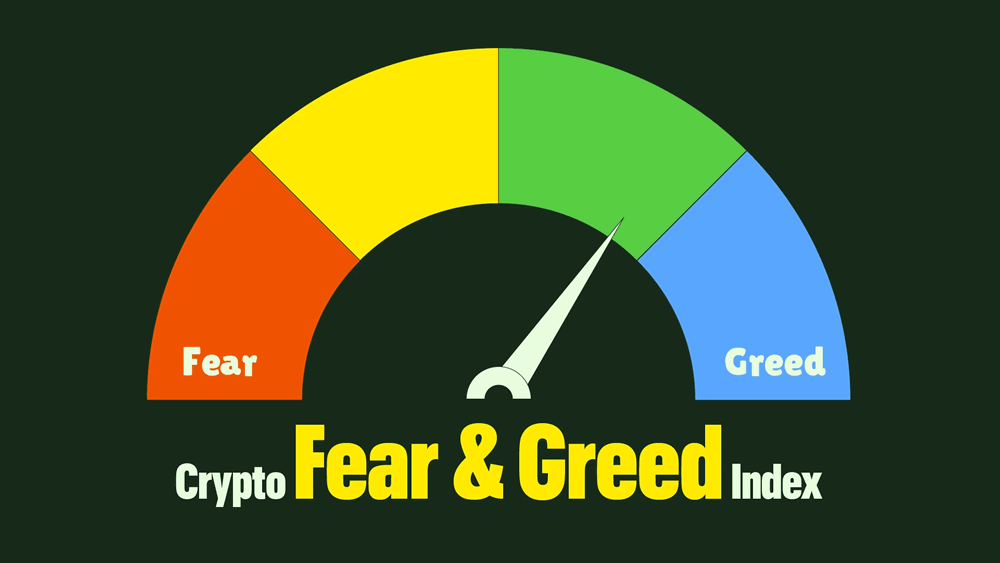
Myth 1: Bitcoin Is Just a Bubble
Bitcoin has gone through multiple boom-and-bust cycles, which is why many people label it a bubble.
Reality:
A true bubble collapses and never recovers. Bitcoin has repeatedly crashed — and then reached new highs.
This pattern is common in early-stage technologies. The internet went through the same phase in the 1990s. Volatility doesn’t automatically mean something has no long-term value.
Myth 2: Bitcoin Has No Real Use
A common argument is that Bitcoin doesn’t do anything useful, or is mainly used for illegal activity.
Reality:
Bitcoin’s core use case is simple: transferring value globally without intermediaries.
It’s used for:
- Cross-border payments
- Store of value
- Financial access without banks
Illegal usage exists, but it represents a small percentage of total activity — far lower than traditional financial systems in relative terms.
Myth 3: Bitcoin Has No Intrinsic Value
Critics often say Bitcoin isn’t backed by anything, so it has no value.
Reality:
Most modern money isn’t backed by physical assets either.
Bitcoin’s value comes from:
- Scarcity (fixed supply of 21 million)
- Security (network powered by global computation)
- Utility (permissionless transfers)
Value doesn’t come from backing — it comes from demand and usefulness.
Myth 4: Bitcoin Will Be Replaced by Better Technology
With thousands of cryptocurrencies in existence, some believe Bitcoin will eventually be replaced.
Reality:
Technology alone doesn’t win — network effects do.
Bitcoin has:
- The strongest brand
- The largest adoption
- The most secure network
Many competitors offer faster or cheaper transactions, but none have replaced Bitcoin’s position as the dominant asset.
Myth 5: Investing in Bitcoin Is Just Gambling
Because of volatility, Bitcoin is often compared to gambling.
Reality:
Short-term trading can feel like gambling. Long-term holding is a different story.
Over time, Bitcoin has shown:
- Strong long-term growth trends
- Increasing institutional adoption
- Integration into traditional finance (e.g., ETFs)
Risk is real — but it’s not the same as pure chance.
Myth 6: Bitcoin Is Not Safe
People often associate Bitcoin with hacks and lost funds.
Reality:
The Bitcoin network itself has never been hacked.
Most security issues come from:
- Exchanges
- Poor storage practices
- User mistakes
Bitcoin removes intermediaries — which increases control, but also increases responsibility.
Myth 7: Bitcoin Is Bad for the Environment
Bitcoin mining consumes a large amount of energy, which raises environmental concerns.
Reality:
Energy usage is real — but the full picture is more complex.
- Many mining operations use renewable energy
- Traditional financial systems also consume massive resources
- Energy use is tied to securing the network
The debate is ongoing, but it’s not as one-sided as often presented.
Final Thoughts
Bitcoin isn’t perfect — but most criticisms are either exaggerated or misunderstood.
The real question isn’t whether Bitcoin has flaws.
It’s whether those flaws outweigh its advantages.
So far, the market’s answer has been clear:
Bitcoin continues to grow, adapt, and survive.
As Bitcoin adoption increases, factors like transaction costs, platform choice, and trading efficiency become more important for users and investors.
For a deeper comparison of platforms and cost structures, you can explore more here:
https://www.btcbj.com/brokerage-reviews/