

The short answer:
A blockchain is a public, digital record of transactions that anyone can verify — without relying on a central authority.
In simple terms, it’s a system that allows people to send and track value online without banks or intermediaries.
Why Blockchain Matters
Most financial systems today rely on middlemen:
- Banks
- Payment processors
- Credit card networks
Every transaction needs to be approved and recorded by them.
Blockchain changes this.
Instead of trusting a company, you trust a system where:
- Transactions are recorded publicly
- Data cannot be easily altered
- The network verifies everything automatically
That’s the core shift.
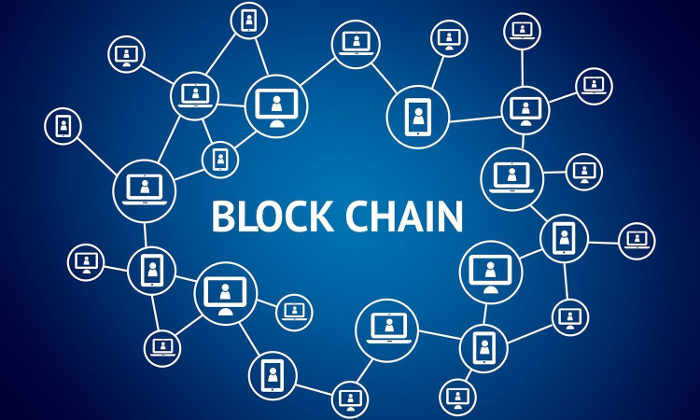
How Blockchain Works
Think of blockchain as a chain of blocks, where each block contains a list of transactions.
- New transactions are grouped into a block
- The block is verified by the network
- Then added to the chain permanently
Once added, it becomes part of the history.
If someone tries to change a transaction, the entire chain breaks — and the network rejects it.
That’s why blockchain is considered secure.
Why It’s Different from a Bank
A traditional bank keeps a private ledger.
Blockchain is different:
- It’s public
- It’s decentralized
- No single entity controls it
Thousands of computers (called nodes) maintain and verify the data together.
This removes the need for trust in a single institution.
Where Blockchain Is Used
Blockchain started with Bitcoin, but its use goes far beyond that.
Today it’s used in:
- Cryptocurrencies (Bitcoin, Ethereum)
- DeFi (lending, trading)
- NFTs and digital ownership
- Supply chains and data tracking
The idea is always the same:
record data in a way that cannot be easily changed or controlled.
How New Blocks Are Created
New blocks are added regularly.
For example, in Bitcoin:
- A new block is added roughly every 10 minutes
Participants (miners or validators) help:
- Verify transactions
- Secure the network
- Add new blocks
In return, they receive rewards.
Blockchain and Crypto: What’s the Difference?
Blockchain is the technology.
Cryptocurrency is the application.
- Blockchain = system
- Bitcoin = use case
Without blockchain, crypto wouldn’t exist.
Why Blockchain Is Valuable
Blockchain solves a key problem:
👉 How to trust data without trusting people
It allows:
- Peer-to-peer transactions
- Global access
- Transparent records
That’s why many see it as a foundation for future financial systems.
Final Thoughts
Blockchain isn’t just about crypto — it’s about how value and information are stored and transferred.
It replaces trust in institutions with trust in code and networks.
That’s the real shift.
As blockchain adoption grows, factors like transaction costs, network efficiency, and platform choice become increasingly important.
For a deeper comparison of platforms and cost structures, you can explore more here:
https://www.btcbj.com/brokerage-reviews/