

The short answer:
Ethereum’s value comes from its real usage — people pay to use the network.
In simple terms, ETH is valuable because it powers an entire ecosystem, not just because people trade it.
Most people think Ethereum’s price is purely speculation.
That’s only part of the story.
Market Price vs Real Value
Like any asset, Ethereum’s price is set by the market.
It trades 24/7, and its price moves based on:
- Supply and demand
- Market sentiment
- Macro conditions
But price alone doesn’t explain value.
Ethereum as Infrastructure
Ethereum is not just a currency — it is a platform.
Every time someone uses Ethereum, they need ETH.
This includes:
- Sending transactions
- Using DeFi applications
- Minting NFTs
- Interacting with smart contracts
That means demand for ETH is directly tied to network activity.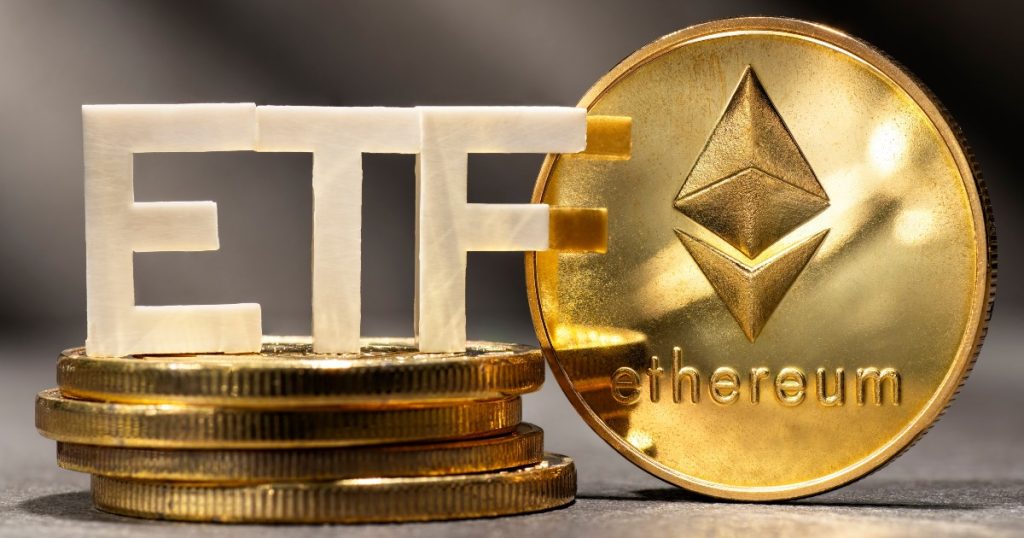
Gas Fees Create Real Demand
Every action on Ethereum requires gas fees, paid in ETH.
This creates a simple economic model:
- More usage → more demand for ETH
- More activity → higher fees (in many cases)
In other words, ETH is required to “run” the system.
The DeFi and Stablecoin Effect
Ethereum’s value also comes from what is built on top of it.
Key drivers include:
- Stablecoins (like USDC, DAI)
- DeFi protocols (lending, trading, yield)
- Token ecosystems
These applications bring users, liquidity, and transaction volume.
Network Growth Matters
As more people use Ethereum:
- The network becomes more valuable
- More capital flows into the ecosystem
- Demand for ETH increases
This is similar to how platforms gain value as their user base grows.
Why Ethereum Is Volatile
Ethereum is still a relatively young asset.
That means:
- Prices can swing quickly
- Sentiment changes fast
- Adoption is still evolving
So while it has real utility, its market value can fluctuate significantly.
Final Thoughts
Ethereum’s value is not just based on speculation.
It comes from being a core layer of the crypto economy — a system people actually use.
The more activity that happens on Ethereum, the stronger its fundamental demand becomes.
As Ethereum usage grows, factors like gas fees, platform efficiency, and trading costs play a bigger role in real returns.
For a deeper comparison of platforms and cost structures, you can explore more here:
https://www.btcbj.com/brokerage-reviews/