
## Part 1: The Power of Decentralization
The End of the Middleman and the Birth of Trustless Finance
In our traditional world, every financial move you make requires a Centralized Authority (a bank, a government, or a payment processor like Visa). These entities act as the “Source of Truth.” They decide if your transaction is valid, they hold your data, and they can, at any time, freeze your account or deny you service.
Decentralization flips this script. It is the shift from trusting Institutions to trusting Mathematics.
### 1. Centralized vs. Decentralized: The Core Difference
Imagine you want to send $100 to a friend.
-
The Centralized Way (TradFi): You tell your bank. The bank checks your balance, deducts the money, and tells your friend’s bank to add it. You are trusting the bank’s private ledger (database). If their server goes down or they decide to block the transfer, the money doesn’t move.
-
The Decentralized Way (Crypto): You broadcast your transaction to a global network of thousands of independent computers (nodes). These computers use a shared, public ledger called the Blockchain. No single person owns it, and no single person can stop it.
Key Concept: In a decentralized system, there is no Single Point of Failure.
### 2. Why Decentralization Matters in 2026
As we move further into the digital age, decentralization offers three revolutionary benefits:
-
Censorship Resistance: No government or corporation can “turn off” your wallet. Your wealth is tied to your private key, not a bank’s permission.
-
Permissionless Access: In the traditional system, millions are “unbanked” because they lack the right ID or live in the wrong country. On the blockchain, the only requirement is an internet connection.
-
Transparency & Immutability: Every transaction is recorded on a public ledger that anyone can audit but no one can change. Once a transaction is confirmed, it is permanent.
### 3. From “Don’t Be Evil” to “Can’t Be Evil”
The famous motto of early tech companies was “Don’t be evil.” But as we’ve seen, centralized power eventually tempts even the best organizations to misuse data or manipulate markets.
Decentralization moves us to a “Can’t Be Evil” system. Because the rules are written in open-source code (Smart Contracts), the system executes exactly as programmed. There is no “manager” who can go back and secretly edit the numbers.
### 4. The 2026 Perspective: Digital Sovereignty
In 2026, decentralization is no longer just for “tech geeks.” It is the foundation of Digital Sovereignty.
-
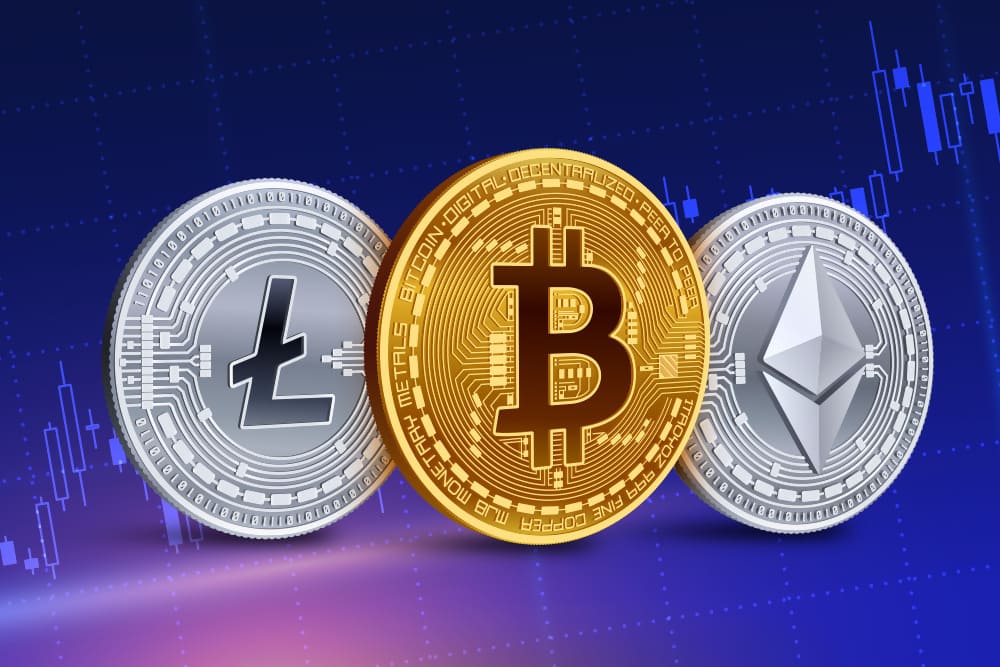
Bitcoin is the decentralized version of Gold (Store of Value).
-
Ethereum is the decentralized version of the Internet/App Store (Programmable Value).
💡 Chapter 1 Summary
Decentralization is the technology that allows us to transfer value across the globe as easily as sending an email, without needing a bank to verify who we are or why we are doing it. It returns the power of money to the individual.
Next Lesson: We will dive into Module 1, Lesson 2: Core Terminology. We’ll break down the “alphabet soup” of crypto—Blocks, Nodes, PoW, and Hashing—so you can speak the language of the future.