
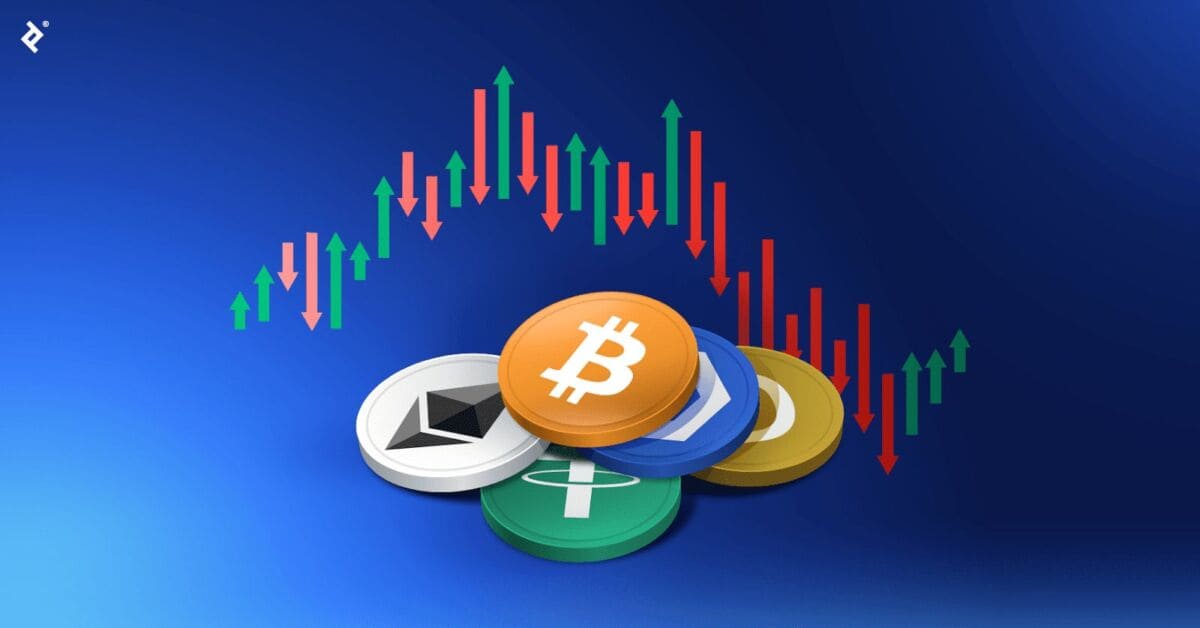
In 2026, options trading has become a cornerstone of both retail and institutional portfolios. Understanding Calls and Puts is the first step toward moving beyond simple “Buy and Hold” and into strategic wealth management.
Call vs. Put Options: The Fundamentals
An option is a contract that gives you the right, but not the obligation, to buy or sell an asset at a set price (Strike Price) within a specific timeframe (Expiration Date).
1. Call Options: The “Right to Buy”
A Call Option is a bullish bet. You buy a call when you expect the price of an asset to increase.
-
How it works: You pay a small fee (Premium) to “lock in” a purchase price today.
-
The Goal: If the market price rises significantly above your strike price, you can buy the asset at the cheaper, locked-in price and sell it immediately for a profit.
-
Risk: If the price stays below your strike price, you simply let the option expire. Your only loss is the premium you paid.
2026 Example: You buy a call for “TechCorp” with a strike price of $200. If the stock jumps to $250, you exercise your right to buy at $200, instantly gaining $50 per share (minus your premium).
2. Put Options: The “Right to Sell”
A Put Option is a bearish bet or an insurance policy. You buy a put when you expect the price to decrease.
-
How it works: You pay a premium to “lock in” a selling price.
-
The Goal: If the market price crashes, you can still sell your asset at the higher, locked-in strike price.
-
The “Insurance” Use Case: Investors often use “Protective Puts” to shield their portfolios from sudden 2026 market volatility.
-
Risk: If the price goes up instead of down, you let the put expire worthless. Your loss is limited to the premium.
2026 Example: You own Bitcoin at $100,000. Fearing a crash, you buy a put with a strike of $95,000. If Bitcoin drops to $70,000, you can still sell yours for $95,000, saving yourself from a $25,000 loss.
3. Key Comparison Table
| Feature | Call Option | Put Option |
| Market View | Bullish (Price goes up) | Bearish (Price goes down) |
| Right Granted | Right to BUY | Right to SELL |
| Your Goal | Buy low, sell high | Sell high, buy back low |
| Max Loss (Buyer) | Premium Paid | Premium Paid |
| Max Profit (Buyer) | Theoretically Unlimited | High (Price can’t go below $0) |
4. Important 2026 Terminology
To trade like a pro this year, you must know these three states:
-
In-the-Money (ITM): The option has value. (Calls: Price > Strike | Puts: Price < Strike).
-
At-the-Money (ATM): The market price is exactly the same as the strike price.
-
Out-of-the-Money (OTM): The option has no “intrinsic” value and will expire worthless if the price doesn’t move.